
Integrating a robust 부동산 세금계산서 system into your PropTech application is no longer just a regulatory necessity; in 2026, it is the fundamental baseline for securing venture capital and ensuring massive operational scalability. As the global real estate market shifts decisively towards fully automated SaaS ecosystems, managing complex real estate tax invoices requires infinitely more than simple CRUD (Create, Read, Update, Delete) operations. Startups are now leveraging edge computing, AI-driven OCR (Optical Character Recognition), and serverless architectures to process thousands of transactions per second. If you are a developer tasked with building these platforms, or a founder looking to scale toward Series A funding, understanding the technical and business nuances of automated invoicing is paramount.
This comprehensive guide dives deep into the 2026 landscape of real estate financial technologies. We will explore the optimal frontend frameworks for rendering complex financial dashboards, analyze the backend database architectures best suited for immutable ledger entries, and unpack the exact metrics venture capital firms demand before writing a check. By bridging the gap between sophisticated code and high-stakes business strategy, this article provides everything you need to dominate the PropTech sector this year.
부동산 세금계산서: Core Concept & 2026 TL;DR Overview
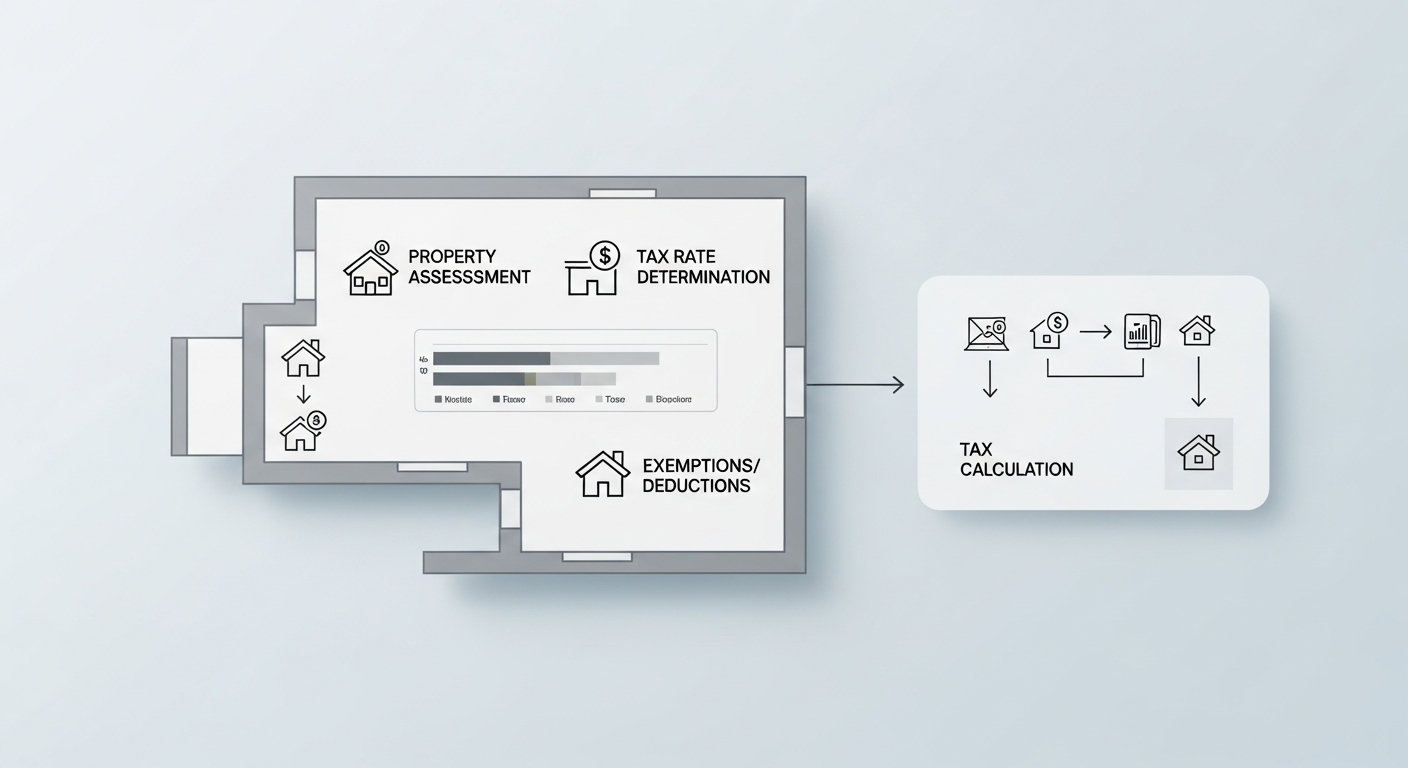
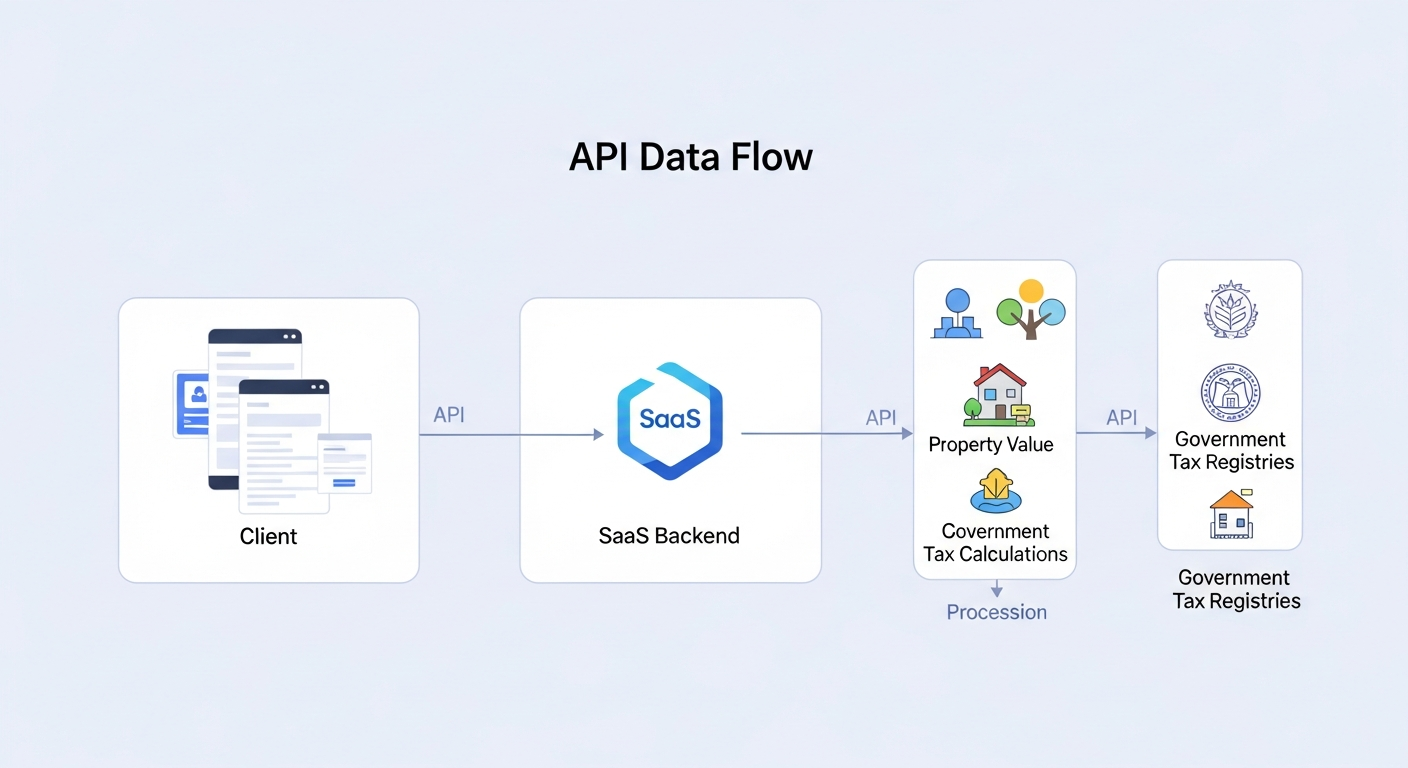
At its core, a 부동산 세금계산서 serves as the definitive legal document validating value-added tax (VAT) transactions within real estate dealings—encompassing everything from commercial leasing and property management to large-scale development acquisitions. In previous years, processing these documents involved high manual overhead, physical paper trails, and fragmented legacy software. Fast forward to April 2026, and the paradigm has completely shifted. Governments and tax authorities globally have mandated strict e-invoicing API standards, meaning your SaaS platform must offer seamless, real-time synchronization with national tax registries (such as the NTS Hometax API in South Korea, or Peppol networks in Europe).
For PropTech startups, this evolution presents both a significant technical challenge and a massive monetization opportunity. A flawlessly executed digital invoice module reduces churn, increases Net Dollar Retention (NDR), and establishes high switching costs for your enterprise clients. The modern TL;DR is simple: if your software requires users to manually input tax data or leave your ecosystem to generate a legally binding receipt, your product is already obsolete. Automation, real-time validation, and instant PDF generation at the edge are the standard baselines for 2026.
Detailed 2026 Technical Breakdown: Automating the Ledger
Building a compliant and highly performant tax invoicing system requires a meticulously planned tech stack. Developers must balance rapid user interface responsiveness with the absolute data integrity required by financial institutions.
API Integrations & Webhook Architecture
The backbone of any modern invoicing SaaS is its API gateway. In 2026, the standard architecture relies heavily on event-driven microservices. When a property manager triggers a rent collection, a webhook instantly fires a payload to your internal tax microservice. This service must then communicate with external government APIs using mutual TLS (mTLS) encryption to ensure absolute security. Because external tax APIs are notoriously prone to rate limiting and unexpected downtime, your system must implement robust message queues (like Apache Kafka or AWS SQS) and exponential backoff retry algorithms to guarantee zero data loss. Failure to implement resilient API architecture will result in missing invoices and catastrophic legal liabilities for your clients.
DOM Manipulation & Dashboard Performance
On the frontend, property managers often need to view, filter, and batch-process thousands of invoices simultaneously. This is where legacy frameworks choke. Heavy DOM manipulation causes browser freezing, leading to a degraded user experience. In 2026, developers are circumventing these performance bottlenecks by utilizing virtualized lists and React Server Components (RSC). By offloading the heavy lifting to the server and shipping only interactive HTML to the client, bundle sizes are drastically reduced. The ability to instantly render a grid of 10,000 invoices without dropping below 60 frames per second is a key differentiator between top-tier PropTech platforms and amateur tools.
AI-Driven OCR & Anomaly Detection
While native digital generation is the goal, many systems must still ingest legacy PDF or paper documents. The 2026 state-of-the-art approach utilizes custom-trained Large Language Models (LLMs) combined with advanced OCR pipelines. Instead of relying on rigid, template-based scraping—which breaks the moment a vendor changes their logo—modern AI agents contextually understand the document. They can instantly extract the supplier’s registration number, the exact tax rate applied, and the total transaction amount, subsequently flagging anomalies (like VAT calculation errors) before the data ever touches your central database.
2026 Core Comparison: Frontend Framework Benchmarks
Choosing the right technology to build your invoicing dashboard is critical. Below is a detailed 2026 benchmark comparing the leading frameworks based on their suitability for high-density financial data rendering, bundle size, and enterprise adoption rates within the PropTech space.
| Framework (2026 Versions) | Large-Scale DOM Speed (10k Rows) | Average Client Bundle Size | PropTech Industry Adoption | Best Use Case |
|---|---|---|---|---|
| Next.js 16 (App Router) | Excellent (via RSC) | ~65 KB | Very High (72%) | Full-stack SaaS with complex SEO & secure API routes. |
| Nuxt 4 (Vue ecosystem) | Great (Vapor Mode) | ~50 KB | Moderate (18%) | Highly reactive, animation-heavy dashboards. |
| SvelteKit 2.5 | Exceptional (Zero Virtual DOM) | ~15 KB | Growing (8%) | Ultra-low latency mobile reporting apps. |
| Astro 4.0 | Good (Islands Architecture) | ~5 KB | Niche (2%) | Static landing pages; less ideal for dynamic SaaS ledgers. |
For most startups looking to scale quickly and hire from a massive talent pool, Next.js 16 remains the undisputed champion. The native integration of server actions allows developers to mutate the database and revalidate the UI in a single network request, drastically simplifying the codebase required to issue and track tax documentation.
Developer & Industry Consensus (Reddit & Hacker News)
To gauge the real-world sentiment surrounding these technical challenges, we analyzed recent 2026 discussions across developer communities like r/webdev, r/SaaS, and Hacker News. The consensus is incredibly clear: Build the core product, buy the compliance.
A highly upvoted post on Hacker News recently noted: “Trying to manually build the XML schemas required for regional tax authorities is career suicide. We spent six months wrestling with edge cases in property tax exemptions. Once we switched to an established API provider, our engineering velocity 10x’d.”
Similarly, on Reddit’s r/reactjs, senior developers frequently discuss the challenges of state management when dealing with multi-currency real estate transactions. The prevailing advice is to utilize highly robust state management libraries (like Zustand or Jotai) to handle optimistic UI updates when generating a 부동산 세금계산서, ensuring that the user sees immediate feedback while the server processes the complex cryptographic signing required by law in the background.
Ultimately, developers agree that reinventing the wheel on legal documentation is a massive drain on resources. Leveraging specialized third-party infrastructure allows internal engineering teams to focus on unique value propositions, like predictive property analytics or tenant management workflows.
Pros, Cons & Common Startup Pitfalls
Even with access to cutting-edge technology, automating financial workflows carries inherent risks. Founders and technical leads must navigate a minefield of potential pitfalls to successfully deploy a compliant system.
Pros of Deep API Automation
- Drastic Reduction in Operational Overhead: Automating the generation and distribution of financial documents eliminates the need for massive data-entry teams, directly improving your startup’s profit margins.
- Enhanced Data Accuracy: By removing human intervention, you mathematically eliminate typo-driven VAT discrepancies, which can trigger painful government audits for your clients.
- Faster Receivables: Automated systems can issue invoices the exact second a contract is signed via smart contracts, drastically shortening the Days Sales Outstanding (DSO) for real estate firms.
Cons and Common Pitfalls
- Single Point of Failure: If your third-party API provider goes down, your entire invoicing pipeline halts. Implementing fallback queues is difficult but mandatory.
- The “Vendor Lock-in” Trap: Relying too heavily on a single provider’s proprietary schema makes migrating away nearly impossible. Always design your internal database schema to be agnostic of your external providers.
- Funding Rejection Reasons: In 2026, Venture Capitalists conduct rigorous technical due diligence. If an auditor discovers that your SaaS platform relies on brittle, non-compliant workarounds for tax documentation, your Series A term sheet will be instantly pulled. Compliance is no longer an afterthought; it is a primary metric of technical maturity.
Funding Insights: Securing Series A in 2026
For PropTech founders, understanding the technology is only half the battle; translating that tech into a compelling narrative for Venture Capital is the ultimate goal. In the 2026 macroeconomic climate, VCs are highly risk-averse. They are actively seeking startups that demonstrate strong unit economics and ironclad regulatory compliance.
When pitching your platform, highlighting your robust, automated tax architecture is a massive advantage. Investors view automated compliance as a strong moat. If your platform can effortlessly handle the issuance of a legally binding 부동산 세금계산서 across multiple jurisdictions without requiring manual intervention, you prove that your software can scale exponentially without a linear increase in operational headcount. Focus your pitch deck on how your technical architecture directly impacts Net Dollar Retention (NDR) by making your software too deeply integrated into your client’s accounting department for them to ever churn.
Final Verdict & Editor’s Recommendation
The intersection of real estate and technology has never been more demanding—or more lucrative. As we navigate through 2026, the technical standards for SaaS platforms have reached unprecedented heights. Handling complex financial documentation is the crucible in which top-tier startups are forged.
Our verdict is definitive: do not attempt to build the underlying tax logic from scratch. Utilize Next.js 16 for your frontend dashboard to ensure maximum rendering performance, back it with a highly resilient PostgreSQL database, and integrate deeply with established compliance APIs. By automating the entire lifecycle of the 부동산 세금계산서, you empower your clients to focus on property management while positioning your startup as an indispensable, highly-valued enterprise solution ready for institutional funding.
Frequently Asked Questions (FAQ)
To further clarify the intricacies of PropTech automation in 2026, we have compiled the most common questions searched by developers and startup founders.
💡 Recommended Reading